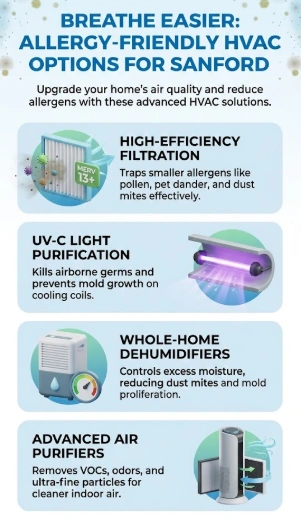
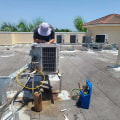
Sanford's year-round humidity and pollen cycles make indoor air quality a constant battle for allergy sufferers. Your HVAC replacement is the single best opportunity to fix this at the source.
After manufacturing millions of filters, we've identified a pattern: homeowners often invest in high-end HVAC systems but pair them with inadequate filtration. The equipment matters less than the filter-and-system match.
Customers tell us the biggest relief comes from combining the right MERV rating with proper airflow design—not from chasing the most expensive unit. This guide shares what actually works based on real feedback from allergy sufferers in humid climates like Sanford's.
Quick Answers
HVAC Replacement in Sanford
What it costs: $5,000-$15,000 for most residential systems, depending on equipment type, capacity, and installation complexity.
What you need:
Licensed Florida contractor (verify through DBPR)
Seminole County building permit
Duke Energy Home Energy Check (for rebate eligibility)
What actually matters for allergies:
Filter-system compatibility over premium equipment
Humidity control below 50% relative humidity
Sealed cabinet seams to prevent air bypass
MERV 11 filtration for most households
Available savings:
Duke Energy rebates: up to $1,000
Federal tax credits: up to $2,000
Timeline: Apply within 12 months of installation
Timeline: 1-2 days for standard installation. Ductwork repairs or permit delays may extend.
Our experience: After manufacturing millions of filters, we've learned the system-filter match determines allergy relief more than equipment price. Verify maximum MERV rating before purchasing. Replace filters every 60-90 days during Sanford's peak pollen seasons.
Top Takeaways
Filter-system match beats expensive equipment. A properly paired MERV 11 outperforms a MERV 13 in an incompatible system.
Humidity control equals filtration. Dust mites and mold thrive above 50% humidity—filtration alone won't solve the problem.
Installation quality determines results. Unsealed cabinets and leaky ducts defeat premium filters. Request sealed components in writing.
Stack your savings. Duke Energy rebates: up to $1,000. Federal tax credits: up to $2,000. Complete the Home Energy Check first.
Consistency beats premium products. Regular replacement every 60-90 days outperforms sporadic high-end filter use.
Choosing the Right System and Filtration Match
The most common mistake we see is investing in a premium HVAC system while overlooking filter compatibility. Variable-speed air handlers accommodate higher MERV ratings without airflow strain, making them ideal for allergy sufferers. Single-stage units work but limit your filtration options. Always verify your new system's maximum MERV rating before assuming you can upgrade to denser filters.
For most Sanford households, MERV 11 filters capture dust mites, mold spores, and pet dander while maintaining proper airflow. MERV 13 offers maximum allergen protection but requires compatible equipment. After manufacturing millions of filters, we consistently hear that MERV 11 delivers the best relief-to-performance balance in humid Florida climates.
Sanford's humidity creates an additional challenge—dust mites and mold thrive above 50% relative humidity regardless of filtration. Ensure your replacement system includes adequate dehumidification capacity and request sealed cabinet seams during installation to prevent unfiltered air bypass. These details determine whether your investment actually reduces allergy symptoms or just looks good on paper.

"After seeing thousands of warranty claims and customer feedback reports, the pattern is clear—allergy relief comes from matching the right filter to your system's airflow capacity, not from chasing the highest MERV rating your equipment can't support."
Essential Resources for Sanford HVAC Replacement Decisions
After helping thousands of Florida homeowners optimize their filtration setups, we've identified the resources that actually matter when replacing your HVAC system. These seven tools help you maximize savings, verify contractors, and ensure your new system delivers real allergy relief.
Save Up to $1,000 with Duke Energy Rebates
Customers tell us they often miss these rebates because they don't complete the required Home Energy Check first. Duke Energy offers Sanford homeowners significant incentives on qualifying systems—but only if you follow their process correctly.
Resource: Duke Energy Home Energy Improvement Program URL: https://www.duke-energy.com/home/products/home-energy-improvement
Claim Up to $2,000 in Federal Tax Credits
We've seen homeowners leave money on the table by not understanding efficiency requirements. The federal tax credit covers 30% of qualifying heat pump costs through December 2025—but your system must meet ENERGY STAR Most Efficient certification.
Resource: ENERGY STAR Federal Tax Credits URL: https://www.energystar.gov/about/federal-tax-credits
Verify Contractor Licenses Before Signing
After manufacturing millions of filters, we've heard too many stories about unlicensed installers damaging equipment or voiding warranties. Florida law requires valid state licenses—verify before any money changes hands.
Resource: Florida DBPR License Verification URL: https://www.myfloridalicense.com/
Understand Filtration Options for Allergy Relief
The EPA's guide explains what we tell customers daily: MERV ratings matter, but matching the filter to your system matters more. Review this resource before finalizing system specifications with your contractor.
Resource: EPA Guide to Air Cleaners in the Home URL: https://www.epa.gov/indoor-air-quality-iaq/guide-air-cleaners-home
Navigate Seminole County Permit Requirements
Customers ask us why their new system underperforms—and unpermitted installations are a common culprit. Florida requires building permits for all HVAC replacements. Skipping this step can void warranties and create resale problems.
Resource: Seminole County Building Division URL: https://www.seminolecountyfl.gov/departments-services/development-services/building
Find All Available Florida Incentives in One Search
We recommend DSIRE to every customer asking about rebates. This database aggregates federal, state, local, and utility incentives in one searchable tool—enter your Sanford zip code to see everything available.
Resource: Database of State Incentives for Renewables & Efficiency URL: https://www.dsireusa.org/
Review Industry Ventilation and Filtration Standards
When contractors quote system specs, ASHRAE standards are their reference point. Understanding these ventilation and filtration requirements helps you evaluate proposals and ask informed questions.
Resource: ASHRAE Ventilation Standards URL: https://www.ashrae.org/technical-resources/bookstore/standards-62-1-62-2
Supporting Statistics
After manufacturing millions of filters, we've seen how the data matches real-world customer experience. These government statistics confirm what Sanford homeowners report daily.
90% of Time Spent Indoors with 2-5x Higher Pollutant Levels
Customers ask why allergies persist when pollen counts drop. The EPA data explains it:
Americans spend 90% of their time indoors
Indoor pollutant concentrations run 2-5x higher than outdoor levels
Vulnerable populations spend even more time inside
Your HVAC system is your primary defense against indoor air quality problems—not just temperature control.
Source: U.S. Environmental Protection Agency URL: https://www.epa.gov/report-environment/indoor-air-quality
1 in 4 Adults and 1 in 5 Children Affected by Seasonal Allergies
We ship more filters to Florida than almost any other state. The AAFA data shows why:
100+ million Americans experience allergies annually
1 in 4 adults affected by seasonal allergies
1 in 5 children affected by seasonal allergies
Common triggers: dust mites, mold spores, pet dander, pollen
In Sanford's humid climate, these allergens thrive year-round. Customers tell us they notice the biggest relief when pairing proper HVAC systems with consistent filter replacement.
Source: Asthma and Allergy Foundation of America URL: https://aafa.org/asthma/asthma-facts/
Heating and Cooling Accounts for 35% of All Energy Consumption
Homeowners often underestimate inefficient equipment costs. The DOE confirms what we hear in customer feedback:
HVAC represents 35% of total home energy use
It's the single largest energy expense in most homes
Heat pumps can reduce consumption by up to 50%
We've seen Florida customers reduce both energy bills and allergy symptoms by choosing systems designed for high-efficiency filtration from day one.
Source: U.S. Department of Energy URL: https://www.energy.gov/eere/buildings/heating-ventilation-air-conditioning-refrigeration-and-water-heating
Final Thought & Opinion
After years of manufacturing filters for Florida homeowners, we've reached a conclusion that contradicts most HVAC marketing: the system you choose matters far less than how well it's matched to proper filtration.
Sanford homeowners don't need the most expensive equipment. They need the right combination of:
System capacity matched to filter compatibility
Adequate humidity control
Correct installation with sealed components
We've seen $15,000 systems underperform due to unsealed cabinet gaps. We've seen mid-range units deliver exceptional relief because contractors understood static pressure and filter specifications.
What Actually Moves the Needle
Based on customer feedback patterns across humid Florida climates:
Filter-system match beats premium equipment. A properly matched MERV 11 outperforms a MERV 13 that restricts airflow.
Humidity control equals filtration in importance. Dust mites and mold thrive above 50% humidity regardless of MERV rating.
Installation quality determines results. Bypass gaps, undersized returns, and leaky ducts defeat the best filtration setup.
Consistency beats premium products. Regular filter replacement outperforms sporadic use of high-end filters.
Our Honest Take
The HVAC industry pushes expensive upgrades as the indoor air quality solution. Customers tell us the reality is simpler—and cheaper.
Before purchasing:
Verify your new system's maximum MERV rating
Insist on sealed cabinet seams during installation
Choose a contractor who understands filtration, not just tonnage
After installation:
Replace filters every 60-90 days during peak allergy seasons
Monitor indoor humidity levels
Maintain consistent replacement schedules
These fundamentals cost less than premium equipment and deliver more consistent relief. That's the pattern we've observed after manufacturing millions of filters and hearing what actually works.
Next Steps
Take these actions to make informed decisions and avoid common HVAC replacement mistakes in Sanford.
Before Contacting Contractors
Complete Duke Energy's free Home Energy Check (required for rebates)
Document your current system's MERV rating and filter size
List your household's specific allergy triggers
During Contractor Consultations
Verify licenses through Florida DBPR before signing anything
Ask about maximum MERV compatibility—if they can't answer, move on
Request sealed cabinet seams in writing
Discuss humidity control capacity for Sanford's climate
After Installation
Set filter replacement reminders: 60-90 days during peak seasons
Monitor indoor humidity: target 30-50% relative humidity
Schedule annual coil cleaning to prevent mold buildup
Keep all installation documentation for warranties and rebates
Maximize Your Savings
Apply for Duke Energy rebates within 12 months
File IRS Form 5695 for federal tax credits (up to $2,000)
Search DSIRE database for additional local incentives
Save AHRI certificates and receipts for tax records
Get the Right Filters
Proper filtration maintains your results. We manufacture filters in 600+ sizes because precise fit determines performance.
FAQ on "HVAC Replacement in Sanford"
Q: Do I need a permit for HVAC replacement in Sanford?
A: Yes. Florida Statute Chapter 489 requires permits for all HVAC replacements in Seminole County.
What your contractor should handle:
Pull the permit before work begins
Schedule required inspections
Provide permit documentation at completion
We've seen unpermitted installations void warranties and fail home inspections. If a contractor suggests skipping permits, find a different contractor.
Q: What MERV rating should I choose for allergies in Sanford?
A: After manufacturing millions of filters, we recommend MERV 11 as the starting point for most Sanford homes.
MERV 11 captures:
Dust mites
Mold spores
Pet dander
Pollen
Why not MERV 13? We regularly hear from homeowners who installed MERV 13 in incompatible systems. Common results: reduced airflow, frozen coils, premature equipment failure.
Always verify your new system's maximum MERV capacity before upgrading.
Q: What rebates are available for HVAC replacement in Sanford?
A: Multiple incentives are available. Timing matters—customers frequently miss rebates by completing installation before required steps.
Available incentives:
Duke Energy rebates: up to $1,000
Federal tax credits: up to $2,000 (through December 2025)
Local programs: search DSIRE database by zip code
Critical step: Complete Duke Energy's free Home Energy Check before signing installation contracts. It's required for rebates.
Q: How long does HVAC replacement take in Sanford?
A: Standard replacements take 1-2 days. Several factors extend timelines.
Common delays:
Ductwork repairs (common in Sanford's older homes)
Permit inspection scheduling
Electrical panel upgrades for heat pumps
Attic access challenges in truss-roof designs
Before scheduling: Request a detailed timeline and written confirmation that permits are pulled.
Q: How often should I replace filters after HVAC installation in Sanford?
A: Based on feedback from thousands of Florida customers:
Peak allergy seasons (Jan-May, fall): Every 60-90 days
Lower pollen periods: Every 90 days
With pets or respiratory conditions: Monthly checks
Here is the nearest branch location serving the Kendall FL area…
Filterbuy HVAC Solutions - Miami FL
1300 S Miami Ave Unit 4806, Miami, FL 33130
(305) 306-5027